In Python, there are three main numeric types, each serving different purposes for representing numbers:
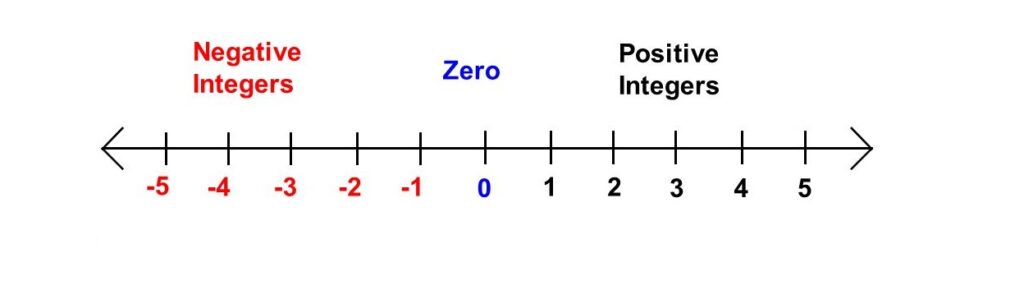
int(Integer):
This type represents whole numbers without a decimal point. It can be positive, negative, or zero. Python integers are of unlimited length, meaning they can grow as large as your memory allows.
Example:x = 100
Do it
float(Floating-Point):
This type is used for real numbers that have a decimal point. It supports fractional values and scientific notation.
Example:pi = 3.14159

Do it
complex(Complex Number):
This type is used to represent complex numbers, which have a real part and an imaginary part. It is written asa + bj, whereais the real part andbis the imaginary part.
Example:z = 2 + 3j

Do it
These numeric types are foundational in Python for performing mathematical computations, simulations, and data analysis.